From the Hazelnut to the Slipper: the esoteric symbolism of Cinderella
From the Hazelnut to the Slipper: the esoteric symbolism of Cinderella
by Hasan Andrea Abou Saida
The story of Cinderella is one of the oldest and most beloved fairy tales of all time, present in a wide range of cultures and told in countless versions. Each of these versions carries its own unique nuances and profound meanings, while remaining faithful to the central themes of injustice and redemption. The plot, centered on the discovery of one’s own worth and the fulfillment of one’s destiny, is a narrative that has touched the hearts of generations, offering a message of hope and transformation. The most well-known version of this fairy tale is the one written by Charles Perrault in 1697, which shaped the modern image of Cinderella and was further popularized by the 1950 Disney film. However, the story of Cinderella has much older and more diverse origins, with roots that reach deep into multiple cultures and traditions.
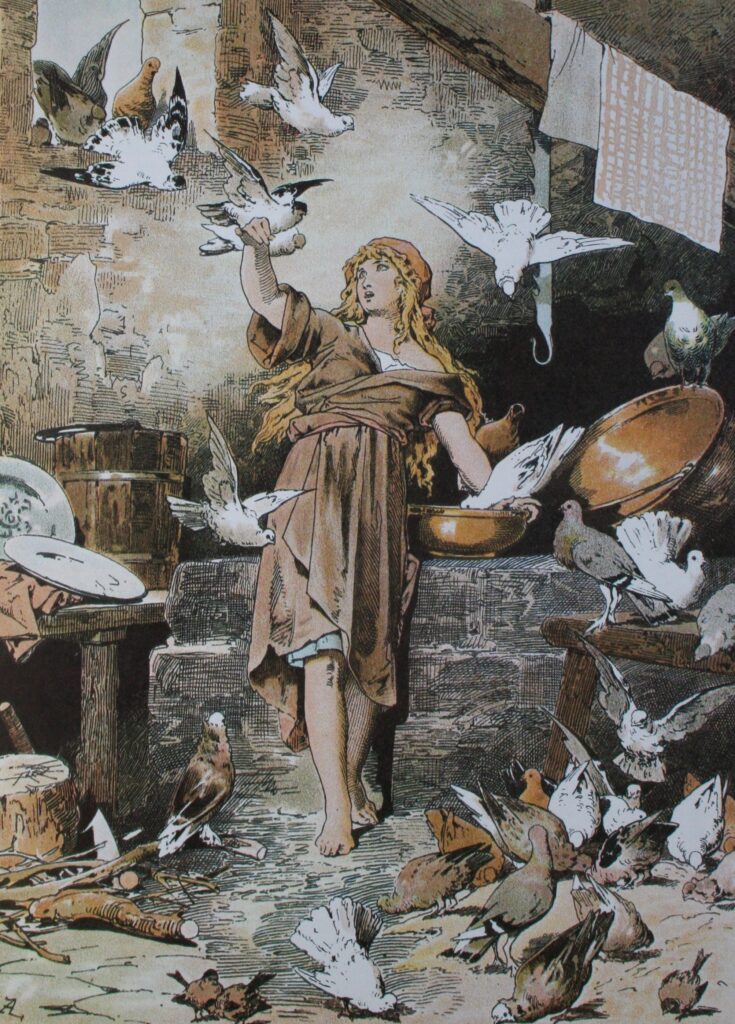
The story of Cinderella is not merely a creation of European literature, but has its roots in ancient civilizations, demonstrating how the theme of personal transformation has been a central element in human storytelling for millennia. One of the earliest documented versions of the tale comes from ancient Egypt. In this version, the protagonist is Rhodopis, a Greek slave whose beauty captures the attention of the Pharaoh. The story recounts that an eagle, considered a symbol of the god Horus, stole one of Rhodopis’s sandals while she was bathing and brought it to the Pharaoh. Struck by the grace and elegance of the sandal, the Pharaoh ordered that its owner be found. In the end, Rhodopis was brought to the royal court and became queen, achieving an extraordinary social rise. Even in this ancient version, we find some of the central themes that define the modern fairy tale: the humble protagonist, the lost shoe, and social ascension.

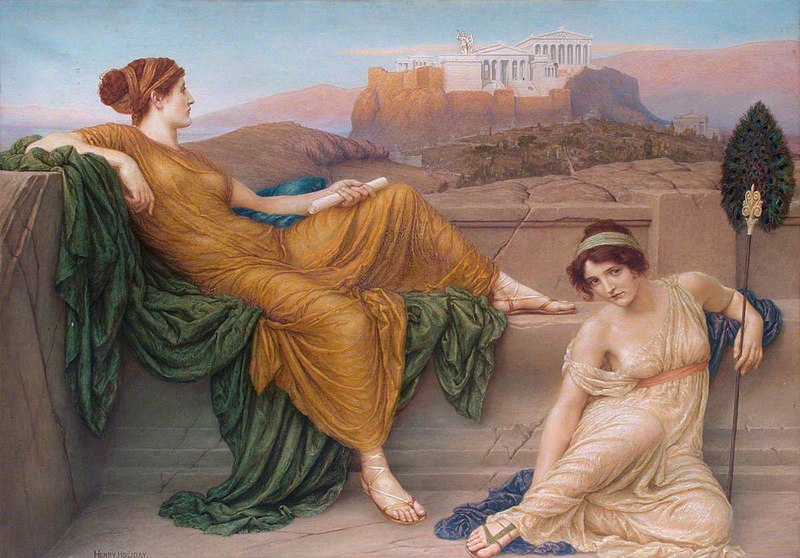
Another ancient version of the story is linked to the figure of Aspasia of Phocaea, as recounted by the historian Aelian. Aspasia, a young orphan living in poverty, experiences a vision that reveals to her how to restore her natural beauty. She is later noticed by Cyrus the Younger during a banquet, recalling the ball scene in which the prince falls in love with Cinderella. This narrative also highlights the power of transformation and the recognition of one’s own worth—central elements in the Cinderella tale.
Over the centuries, the Cinderella fairy tale has continued to evolve, adapting to different cultures and historical periods. In the Middle Ages, the story took on new forms, reflecting the values and expectations of the society of the time. One of the most well-known medieval versions is told by Marie de France and is entitled Le Fresne. In this story, the protagonist is a girl abandoned at birth, who is later identified through the recognition of a precious piece of fabric. She thus discovers her noble origins and ultimately marries the man she loves. The story of Le Fresne preserves the themes of redemption and recognition but intertwines them with a strong sense of destiny and belonging.

Another medieval version of the story comes from Malta, where we find the fairy tale of Ċiklemfusa. Here, the protagonist is an orphan girl who, thanks to three magical objects left by her father, manages to attend a ball and win the prince’s heart. However, she flees each night, leaving the prince in despair. The plot reaches its climax when the prince discovers the hidden gifts inside krustini, traditional Maltese pastries, and recognizes Ċiklemfusa’s true worth, choosing her as his bride. This Maltese version of the tale adds a touch of magical realism to the narrative, incorporating local cultural elements such as krustini, which become symbols of recognition and identity.
“Across cultures, the Cinderella figure is never truly alone; her transformation is always guided by a force—human or supernatural—that recognizes her true worth.”
— Adapted from Jack Zipes, The Irresistible Fairy Tale
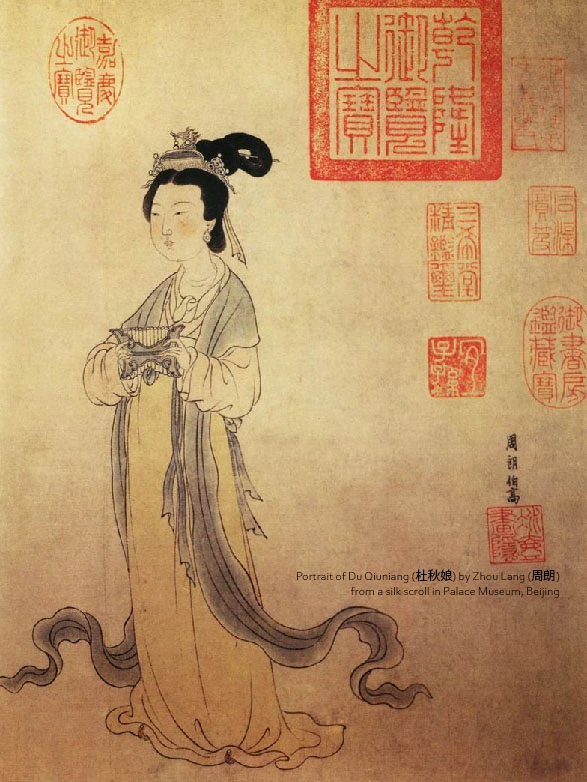
In Asia as well, the Cinderella tale has found different expressions, each reflecting the traditions and values of its respective culture. In China, the best-known version is that of Ye Xian, a young orphan mistreated by her stepmother. In this version, Ye Xian receives help from a magical fish, which guides her toward her destiny of redemption and happiness. The story of Ye Xian is significant because it introduces elements of Chinese folklore, such as the belief in magical animals, which play a crucial role in protecting and ensuring the success of the protagonists.
In Vietnam, the Cinderella fairy tale takes the form of the story of Tấm and Cám. Here too, the plot follows a path similar to that of other versions, featuring a young orphan mistreated by her stepmother and stepsisters. However, this Vietnamese version is marked by a darker and more dramatic ending, in which revenge and justice play a central role. The story of Tấm and Cám reflects a more complex view of family dynamics and the consequences of one’s actions, adding depth to the traditional narrative.
In Korea, the Cinderella fairy tale takes the form of the story of Kongjwi and Patjwi. In this version, the protagonist, Kongjwi, is a kind and diligent young woman mistreated by her stepmother and stepsister Patjwi. The story stands out for the presence of elements of reincarnation and revenge that continue even after the marriage, with Kongjwi ultimately triumphing over adversity thanks to her kindness and purity. The Korean fairy tale introduces themes of perseverance and divine justice, reflecting the spiritual beliefs of the local culture.
In the Middle East as well, the Cinderella fairy tale finds its own unique expression, as demonstrated by the story of The Golden Sandals. In this version, the protagonist loses a sandal during a special event, prompting a search by the prince. This rendition of the tale incorporates elements typical of Middle Eastern folklore, such as the use of sandals instead of the traditional shoes, and emphasizes the importance of recognizing one’s identity and personal worth.

Returning to Europe, in addition to the famous version by Charles Perrault, the Cinderella fairy tale has been reinterpreted by various authors, each adding their own vision and sensitivity to the story. Giambattista Basile, for example, wrote a darker and more unvarnished version of the tale entitled La Gatta Cenerentola (“The Cat Cinderella”). In this version, the story takes on more dramatic and violent tones, highlighting the hardships and cruelties the protagonist must endure before achieving her happy ending. With his lively and often grotesque style, Basile offered a rendition of the fairy tale that emphasizes the struggle for survival and the determination of the heroine.
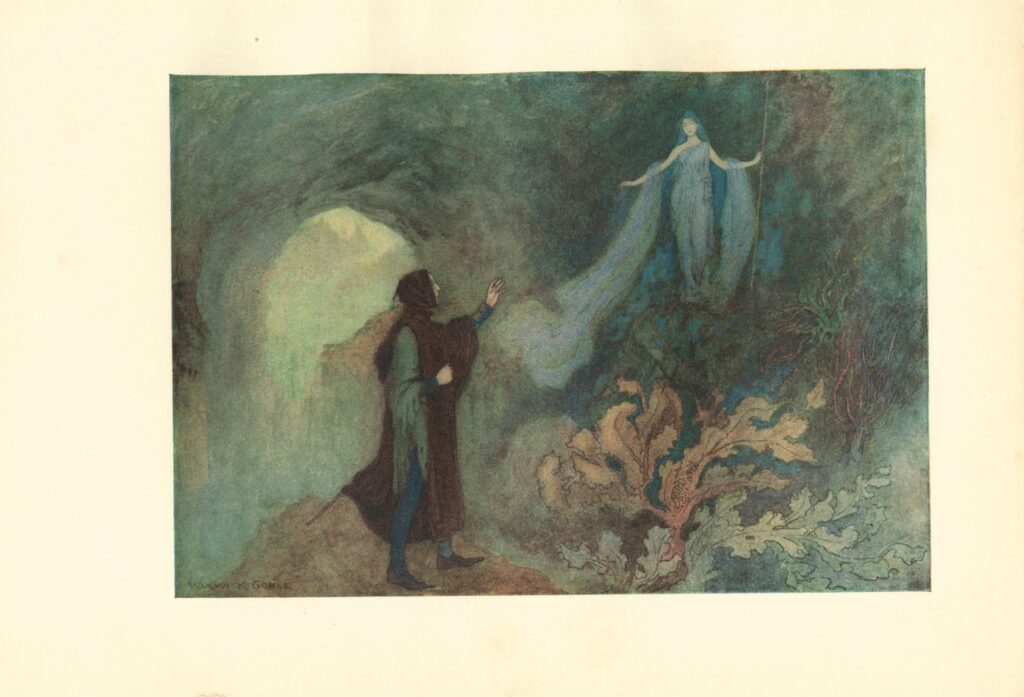
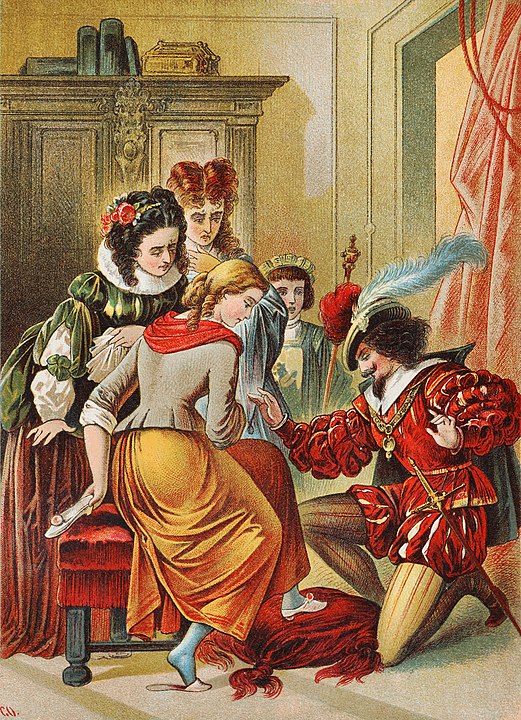
In the 19th century, the Brothers Grimm recorded a version of the fairy tale entitled Aschenputtel. In this rendition, the heroine’s aid comes not from a fairy godmother but from a magical tree planted on her mother’s grave. This tree, symbolizing maternal protection and a connection to the natural world, provides Cinderella with the clothes and shoes she needs to attend the ball. In the second edition of their collection, published in 1819, the Brothers Grimm added an ending in which Cinderella exacts a harsh punishment on her stepsisters for their cruelty. This version of the tale emphasizes not only the theme of redemption but also that of justice and retribution, in keeping with the often severe nature of the fairy tales collected by the Grimms.
“Fairy tales are more than true—not because they tell us that dragons exist, but because they tell us that dragons can be beaten.”
— G.K. Chesterton
The Cinderella fairy tale is not only a story of redemption and transformation, but it is also rich in symbolism and profound meanings that have fascinated scholars and readers for centuries. One of the most significant symbolic elements in the tale is the ash, from which the heroine’s very name derives. According to psychoanalyst Bruno Bettelheim, ash is traditionally associated with the humble duty of tending the hearth, yet it also carries a deep symbolic dimension linked to the cycle of death and rebirth. Ash evokes the image of the phoenix rising from its own ashes, representing the process of personal transformation that Cinderella undergoes throughout the story.
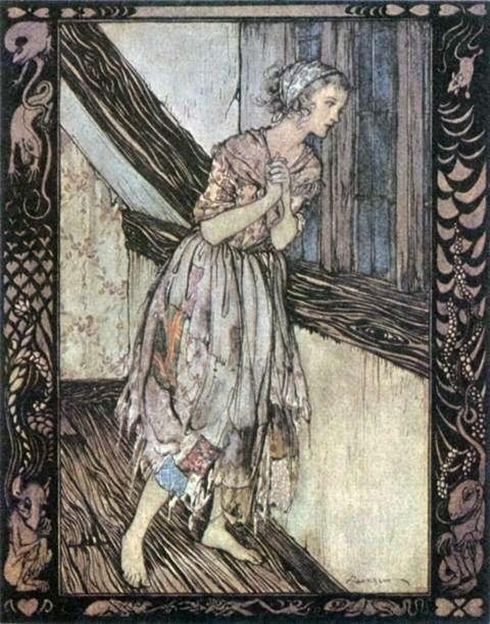
This symbolism is further explored in the alchemical tradition, where the transformation of ash into gold reflects the process of purification and sublimation. In the Cinderella tale, the passage from ash to golden gown, aided by a little bird and a fairy, represents a figure of profound transformation. The magic that assists Cinderella and the glass slipper symbolize the metamorphosis that enables her to move from a state of oppression to one of glory and self-realization.
The figure of Cinderella can be seen as a modern version of the goddess Proserpina, one of the most fascinating and symbolic deities of Greek and Roman mythology. In the myth of Proserpina—known in Greek mythology as Persephone—the young goddess is abducted by Hades, the god of the Underworld, and forced to spend part of the year in the subterranean realm, far from the sunlight and the warmth of earthly life. However, thanks to the intervention of her mother, Demeter (Ceres in the Roman tradition), goddess of fertility and agriculture, Proserpina is allowed to spend the other part of the year on Earth, bringing with her the spring and the regeneration of nature.
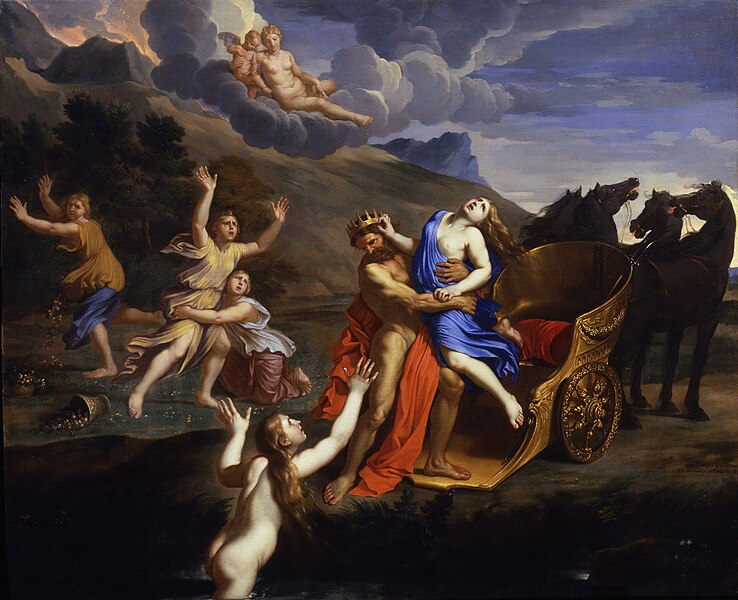
Similarly, the figure of Cinderella undertakes a symbolic journey that takes her from a state of darkness and servitude to a life of splendor and recognition. Just as Proserpina is forced to live in the darkness of the Underworld, Cinderella is confined to a life of misery and humiliation, hidden among the ashes of the hearth and reduced to a servant in her own home. However, through a process of suffering and purification, both figures emerge triumphant: Proserpina returns to the Earth, bringing with her the spring, while Cinderella—thanks to magic and her intrinsic beauty—attains glory and recognition.
“Myths and fairy tales are, in a sense, the dreams of humankind; they rise from deep within our collective psyche and guide us toward transformation.”
— Joseph Campbell, The Power of Myth
In the Cinderella fairy tale, the broken branch and the hazel tree that grows from it may seem small compared to the narcissus that tempts Proserpina. However, in many versions of the story, the breaking of the branch represents a prelude to a significant transformation, similar to the role of the narcissus in the myth of Proserpina. In the past, the hazel tree was central to important rituals and folk traditions tied to its symbolism. It was used in fertility rites related to agriculture and harvest, as well as in marriage and conception. For example, in ancient Rome it was customary to give walnuts and hazelnuts to wedding guests to bring the newlyweds good fortune and abundant offspring. The narcissus was considered a symbol of rebirth, renewal, and deep reflection, but also of beauty and fertility.
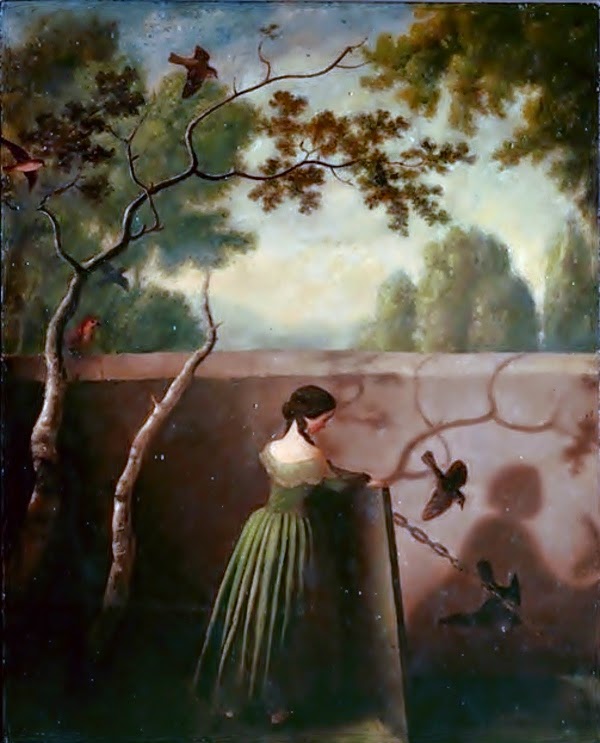
The legend of Grattula-Beddattula, as recounted by Pitrè, though less well-known, presents elements parallel to those of Cinderella. The young girl, mistreated by her stepmother and stepsisters, finds salvation through magical events and trials. As in Cinderella, transformation and redemption through magic are central themes. Grattula-Beddattula reflects hope and determination in overcoming adversity, with magic representing a pivotal change in her life. The story emphasizes the struggle for justice and the fulfillment of a better destiny, aligning with the themes of redemption and transformation in the Cinderella tale. In this variant, the process of purifying sulfur is metaphorically associated with the protagonist’s beauty and power. The fairy tale employs alchemical and symbolic elements to portray the transformation of the young Ninetta—similar to Cinderella—from a state of darkness and poverty to one of beauty and power.
Bibliography
Anagnostou, S. (2015). Le fiabe italiane e la tradizione orale. Firenze: Olschki.
Anderson, G. (2000). Fairytale in the Ancient World. New York City and London, England: Routledge.
Basile, G. (1634). Lo cunto de li cunti. Napoli: Matteo Larcani.
Bettelheim, B. (1976). The uses of enchantment: The meaning and importance of fairy tales. New York, NY: Knopf.
Campbell, J. (2008). The hero with a thousand faces (3rd ed.). Novato, CA: New World Library.
Carruthers, A. (2015). Cinderella – And Other Girls Who Lost Their Slippers (Origins of Fairy Tales). Read Books.
Chesterton, G. K. (1908). Tremendous Trifles. London: Methuen.
Dorson, R. M. (1972). Folklore and Folklife: An Introduction. Chicago: University of Chicago Press.
Dundes, A. (1988). Cinderella: A Casebook. Madison: University of Wisconsin Press.
El-Shamy, H. (1995). Folk Traditions of the Arab World: A Guide to Motif Classification. Bloomington: Indiana University Press.
Graves, R. (1955). I miti greci (A. Motti, Trad.). Milano: Longanesi.
Green, R. L. (2011). “The Land of Egypt”. In Tales of Ancient Egypt. Penguin UK.
Haase, D. (2004). Fairy Tales and Feminism: New Approaches. Detroit: Wayne State University Press.
Lee, J. (1982). Korean Folk & Fairy Tales. Elizabeth, NJ: Hollym International Corporation.
Pitrè, G. (1875). Fiabe, novelle e racconti popolari siciliani. Palermo: Il Vespro.
Pompilio, A. (2013). Il mito di Persefone: la figlia e l’ombra. Roma: Carocci Editore.
Sermonti, G. (2024). Persefone, Proserpina e Cenerentola. In Gianfranco Bertagni – Materiali di Alchimia. http://www.gianfrancobertagni.it/materiali/alchimia/sermonti3.htm.
Strabone. (1917). Geographica (H. L. Jones, Trad.). Cambridge: Harvard University Press.
Tatar, M. (1999). The Classic Fairy Tales. New York: W.W. Norton & Company.
Yolen, J. (2000). Not One Damsel in Distress: World Folktales for Strong Girls. San Diego: Harcourt.
Zipes, J. (2011). The Enchanted Screen: The Unknown History of Fairy-Tale Films. New York: Routledge.