Back

HOME · RESEARCH AND HERITAGE

Research, books and cultural memory

The historic Antro di Thoth archive: bibliographical research, essays, books and explorations of sources, traditions and documentary heritage. English translations are available for selected content.

Research as a form of conservation: finding, describing, connecting and transmitting knowledge.

609

research posts published

46

Book of the Week entries

45

in-depth articles

THE ANTRO ARCHIVE

A body of research that continues to live.

Over the years, L’Antro di Thoth has gathered hundreds of contributions devoted to books, the history of religions, folklore, symbolism, traditions and cultural sources. The site’s new professional identity does not erase this work: it places it within a distinct space explicitly dedicated to history and research.

This page therefore provides an organised gateway to the complete archive, preserving the original Italian content while making it easier to explore.

THREE ROUTES THROUGH THE ARCHIVE

All content, organised by purpose

01

Sources and Research Paths

609 entries

Books, documents and testimonies for understanding, interpreting and enhancing cultural heritage.

02

Book of the Week

46 entries

Reading pathways and presentations of works connected with the themes of the archive.

03

Articles

45 in-depth articles

Longer essays, thematic research and historical-cultural studies.

LATEST BIBLIOGRAPHICAL RESEARCH

New additions to the archive

The most recent publications in the collection. This list updates automatically and shows English versions where available.

Il primo volto degli dèi totem, miti e cielo arcaico Articles

The Gods’ First Face: Totems, Myths, and the Ancient Sky

The Gods’ First Face: Totems, Myths, and the Ancient Sky by Hasan Andrea Abou Saida Before they were statues, deities, and later saints whose names...
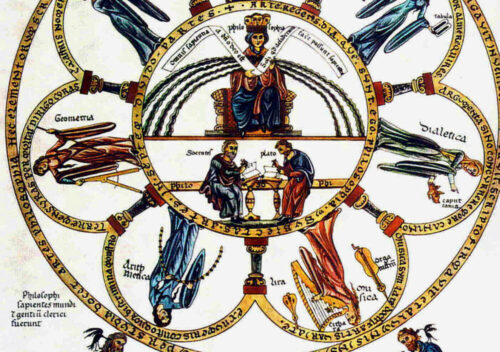
Septem-artes-liberales_Herrad-von-Landsberg_Hortus-deliciarum_1180 Articles

From the Trivium to the Quadrivium: The Seven Liberal Arts as Keys to Medieval Magic

From the Trivium to the Quadrivium: The Seven Liberal Arts as Keys to Medieval Magic by Hasan Andrea Abou Saida In the heart of medieval...
beauty-and-beast-in-saloon Articles

The Inner Beast: Archetypal Symbols and Rites of Passage in Beauty and the Beast

The Inner Beast: Archetypal Symbols and Rites of Passage in Beauty and the Beast by Hasan Andrea Abou Saida he fairy tale of Beauty and the...
ChatGPT Image 13 ago 2025, 17_12_25 Articles

Perfumes and Astrology: The Zodiac Scents of the Natal Chart

Perfumes and Astrology: The Zodiac Scents of the Natal Chart The creation of a perfume is not merely a sensory process; it can become a...
campi-elisi3 Articles

Reincarnation, Ancestrality, and Initiations: The Vision of the Soul in Ancient Rome

Reincarnation, Ancestrality, and Initiations: The Vision of the Soul in Ancient Rome by Hasan Andrea Abou Saida Reincarnation is an ancient belief found in numerous...
Egyptian Art at The Metropolitan - "This large head unmistakably depicts the god known as Bes, or, more accurately, what is known as a "Bes-image," since Bes's appearance was sometimes adopted for other gods, and there is no name preserved on the statue. From the Kushite Period onward, images of Bes appeared on architectural support elements such as abaci, column shafts, or, rarely, large two-sided pillars. These architectural images are especially associated with mammisis, or temples celebrating the birth of a child-god; it is thought that this is related to the long association of the deity with domestic concerns and fertility. Such Bes figures are typically frontal and carved in high relief, but the depth of this figure against an abacus or shaft surface, if that is actually its origin, would have been quite unusual.  Another possibility is that the head originally belonged to a freestanding statue. A 1-meter-tall statue of Bes was found in a chapel at the Serapeum in Saqqara along with sphinxes dated to the reign of Nectanebo II. If this head comes from such a statue, the identity of the god represented by the Bes-image might not be the domestic god Bes but a number of the other gods-especially, but not exclusively, gods associated with Horus-who adopted the deity's appearance.  This head is said to have come from the site of Bubastis in the Egyptian Delta. Work at this important but much-damaged site has produced mostly hard-stone elements, but some fragments of limestone from wall decorations have also been found there. The limestone from Bubastis is visually quite similar to the stone of this head, so it could be that the statue does indeed originate there. If so, a date to the reign of Nectanebo II, who built extensively at Bubastis and whose name is attested among its limestone remains, would be a reasonable suggestion. Moreover, although there is considerable continuity in the representation of the disquieting features associated with the Bes-image in the Articles

Bes: The Egyptian God, Protector of the Hearth and Joy

Bes: The Egyptian God, Protector of the Hearth and Joy by Hasan Andrea Abou Saida In the ancient Egyptian pantheon, characterized by majestic and imposing...
Nefertem Articles

Nefertum: The God of the Lotus, Rebirth, and Perfumes

Nefertum: The God of the Lotus, Rebirth, and Perfumes by Hasan Andrea Abou Saida Nefertum, though less well-known than deities such as Ra or Osiris,...
acque-20 Articles

Mephitis: Italic Guardian of the Passages Between Life and the Otherworld

Mephitis: Italic Guardian of the Passages Between Life and the Otherworld by Hasan Andrea Abou Saida Mephitis (also spelled Mefitis, Mephite, or Mefite) is an...
95158fb614478c6c70d86d5e949316a4 Articles

From archaic roots to folk tradition: an analysis of “Jack and the Beanstalk”

From archaic roots to folk tradition: an analysis of “Jack and the Beanstalk” by Hasan Andrea Abou Saida Fairy tales are much more than simple...
Flockenhaus-Froschkonig Articles

The Frog Prince: a journey of inner transformation and lunar symbolism

The Frog Prince: a journey of inner transformation and lunar symbolism by Hasan Andrea Abou Saida The tale of the Frog Prince is one of...
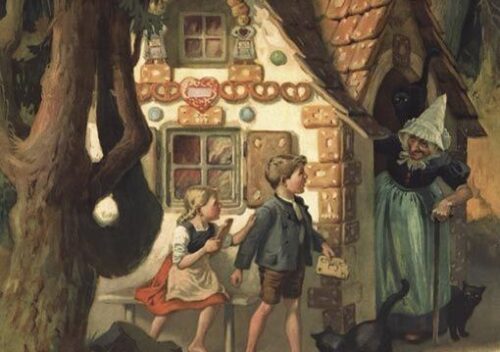
Hansel_and_Gretel_Kubel Articles

From Abandonment to Rebirth: the initiatory path of Hansel and Gretel

From Abandonment to Rebirth: the initiatory path of Hansel and Gretel by Hasan Andrea Abou Saida Hansel and Gretel is a fairy tale from the German...
521px-Offterdinger_Aschenbrodel_(1) Articles

From the Hazelnut to the Slipper: the esoteric symbolism of Cinderella

From the Hazelnut to the Slipper: the esoteric symbolism of Cinderella by Hasan Andrea Abou Saida The story of Cinderella is one of the oldest...
BOOK OF THE WEEK

Books to rediscover

The latest entries devoted to works, editions and reading pathways, with English versions shown where available.

Il primo volto degli dèi totem, miti e cielo arcaico Articles

The Gods’ First Face: Totems, Myths, and the Ancient Sky

The Gods’ First Face: Totems, Myths, and the Ancient Sky by Hasan Andrea Abou Saida Before they were statues, deities, and later saints whose names...
Septem-artes-liberales_Herrad-von-Landsberg_Hortus-deliciarum_1180 Articles

From the Trivium to the Quadrivium: The Seven Liberal Arts as Keys to Medieval Magic

From the Trivium to the Quadrivium: The Seven Liberal Arts as Keys to Medieval Magic by Hasan Andrea Abou Saida In the heart of medieval...
beauty-and-beast-in-saloon Articles

The Inner Beast: Archetypal Symbols and Rites of Passage in Beauty and the Beast

The Inner Beast: Archetypal Symbols and Rites of Passage in Beauty and the Beast by Hasan Andrea Abou Saida he fairy tale of Beauty and the...
ChatGPT Image 13 ago 2025, 17_12_25 Articles

Perfumes and Astrology: The Zodiac Scents of the Natal Chart

Perfumes and Astrology: The Zodiac Scents of the Natal Chart The creation of a perfume is not merely a sensory process; it can become a...
campi-elisi3 Articles

Reincarnation, Ancestrality, and Initiations: The Vision of the Soul in Ancient Rome

Reincarnation, Ancestrality, and Initiations: The Vision of the Soul in Ancient Rome by Hasan Andrea Abou Saida Reincarnation is an ancient belief found in numerous...
Egyptian Art at The Metropolitan - "This large head unmistakably depicts the god known as Bes, or, more accurately, what is known as a "Bes-image," since Bes's appearance was sometimes adopted for other gods, and there is no name preserved on the statue. From the Kushite Period onward, images of Bes appeared on architectural support elements such as abaci, column shafts, or, rarely, large two-sided pillars. These architectural images are especially associated with mammisis, or temples celebrating the birth of a child-god; it is thought that this is related to the long association of the deity with domestic concerns and fertility. Such Bes figures are typically frontal and carved in high relief, but the depth of this figure against an abacus or shaft surface, if that is actually its origin, would have been quite unusual.  Another possibility is that the head originally belonged to a freestanding statue. A 1-meter-tall statue of Bes was found in a chapel at the Serapeum in Saqqara along with sphinxes dated to the reign of Nectanebo II. If this head comes from such a statue, the identity of the god represented by the Bes-image might not be the domestic god Bes but a number of the other gods-especially, but not exclusively, gods associated with Horus-who adopted the deity's appearance.  This head is said to have come from the site of Bubastis in the Egyptian Delta. Work at this important but much-damaged site has produced mostly hard-stone elements, but some fragments of limestone from wall decorations have also been found there. The limestone from Bubastis is visually quite similar to the stone of this head, so it could be that the statue does indeed originate there. If so, a date to the reign of Nectanebo II, who built extensively at Bubastis and whose name is attested among its limestone remains, would be a reasonable suggestion. Moreover, although there is considerable continuity in the representation of the disquieting features associated with the Bes-image in the Articles

Bes: The Egyptian God, Protector of the Hearth and Joy

Bes: The Egyptian God, Protector of the Hearth and Joy by Hasan Andrea Abou Saida In the ancient Egyptian pantheon, characterized by majestic and imposing...
Nefertem Articles

Nefertum: The God of the Lotus, Rebirth, and Perfumes

Nefertum: The God of the Lotus, Rebirth, and Perfumes by Hasan Andrea Abou Saida Nefertum, though less well-known than deities such as Ra or Osiris,...
acque-20 Articles

Mephitis: Italic Guardian of the Passages Between Life and the Otherworld

Mephitis: Italic Guardian of the Passages Between Life and the Otherworld by Hasan Andrea Abou Saida Mephitis (also spelled Mefitis, Mephite, or Mefite) is an...
95158fb614478c6c70d86d5e949316a4 Articles

From archaic roots to folk tradition: an analysis of “Jack and the Beanstalk”

From archaic roots to folk tradition: an analysis of “Jack and the Beanstalk” by Hasan Andrea Abou Saida Fairy tales are much more than simple...
ARTICLES

In-depth articles and thematic pathways

The most recent contributions from the Antro’s editorial section, with English versions shown where available.

Il primo volto degli dèi totem, miti e cielo arcaico Articles

The Gods’ First Face: Totems, Myths, and the Ancient Sky

The Gods’ First Face: Totems, Myths, and the Ancient Sky by Hasan Andrea Abou Saida Before they were statues, deities, and later saints whose names...
Septem-artes-liberales_Herrad-von-Landsberg_Hortus-deliciarum_1180 Articles

From the Trivium to the Quadrivium: The Seven Liberal Arts as Keys to Medieval Magic

From the Trivium to the Quadrivium: The Seven Liberal Arts as Keys to Medieval Magic by Hasan Andrea Abou Saida In the heart of medieval...
beauty-and-beast-in-saloon Articles

The Inner Beast: Archetypal Symbols and Rites of Passage in Beauty and the Beast

The Inner Beast: Archetypal Symbols and Rites of Passage in Beauty and the Beast by Hasan Andrea Abou Saida he fairy tale of Beauty and the...
ChatGPT Image 13 ago 2025, 17_12_25 Articles

Perfumes and Astrology: The Zodiac Scents of the Natal Chart

Perfumes and Astrology: The Zodiac Scents of the Natal Chart The creation of a perfume is not merely a sensory process; it can become a...
campi-elisi3 Articles

Reincarnation, Ancestrality, and Initiations: The Vision of the Soul in Ancient Rome

Reincarnation, Ancestrality, and Initiations: The Vision of the Soul in Ancient Rome by Hasan Andrea Abou Saida Reincarnation is an ancient belief found in numerous...
Egyptian Art at The Metropolitan - "This large head unmistakably depicts the god known as Bes, or, more accurately, what is known as a "Bes-image," since Bes's appearance was sometimes adopted for other gods, and there is no name preserved on the statue. From the Kushite Period onward, images of Bes appeared on architectural support elements such as abaci, column shafts, or, rarely, large two-sided pillars. These architectural images are especially associated with mammisis, or temples celebrating the birth of a child-god; it is thought that this is related to the long association of the deity with domestic concerns and fertility. Such Bes figures are typically frontal and carved in high relief, but the depth of this figure against an abacus or shaft surface, if that is actually its origin, would have been quite unusual.  Another possibility is that the head originally belonged to a freestanding statue. A 1-meter-tall statue of Bes was found in a chapel at the Serapeum in Saqqara along with sphinxes dated to the reign of Nectanebo II. If this head comes from such a statue, the identity of the god represented by the Bes-image might not be the domestic god Bes but a number of the other gods-especially, but not exclusively, gods associated with Horus-who adopted the deity's appearance.  This head is said to have come from the site of Bubastis in the Egyptian Delta. Work at this important but much-damaged site has produced mostly hard-stone elements, but some fragments of limestone from wall decorations have also been found there. The limestone from Bubastis is visually quite similar to the stone of this head, so it could be that the statue does indeed originate there. If so, a date to the reign of Nectanebo II, who built extensively at Bubastis and whose name is attested among its limestone remains, would be a reasonable suggestion. Moreover, although there is considerable continuity in the representation of the disquieting features associated with the Bes-image in the Articles

Bes: The Egyptian God, Protector of the Hearth and Joy

Bes: The Egyptian God, Protector of the Hearth and Joy by Hasan Andrea Abou Saida In the ancient Egyptian pantheon, characterized by majestic and imposing...
Nefertem Articles

Nefertum: The God of the Lotus, Rebirth, and Perfumes

Nefertum: The God of the Lotus, Rebirth, and Perfumes by Hasan Andrea Abou Saida Nefertum, though less well-known than deities such as Ra or Osiris,...
acque-20 Articles

Mephitis: Italic Guardian of the Passages Between Life and the Otherworld

Mephitis: Italic Guardian of the Passages Between Life and the Otherworld by Hasan Andrea Abou Saida Mephitis (also spelled Mefitis, Mephite, or Mefite) is an...
95158fb614478c6c70d86d5e949316a4 Articles

From archaic roots to folk tradition: an analysis of “Jack and the Beanstalk”

From archaic roots to folk tradition: an analysis of “Jack and the Beanstalk” by Hasan Andrea Abou Saida Fairy tales are much more than simple...
THE ANTRO LIBRARY

The historic book collection

A selection of books and bibliographical materials that formed the original core of the project. The grid below reuses the dynamic archive from the historic Library.

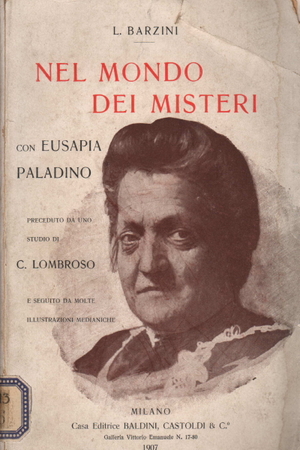
Nel Mondo dei Misteri con Eusapia Paladino - Luigi Barzini (1907). Milano: Casa Editrice Baldini, Castoldi & C., VII,197 p.
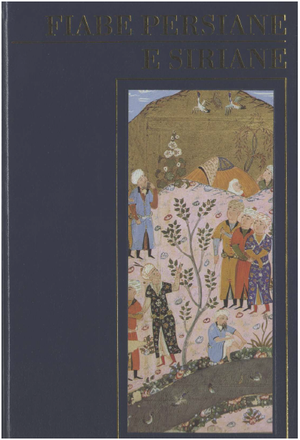
Fiabe Persiane e Siriane - Inge Hoepfner, Carla Maria Antonietta (1997). Milano: Mondadori, 568 p; ill : 22,5 cm. L'arte
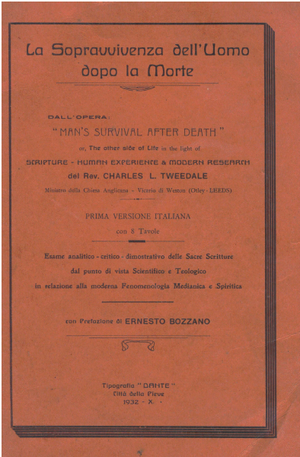
La sopravvivenza dell'uomo dopo la morte - Rev. C. L. Tweedale (1932). Città della Pieve: Tipografia Dante, XXIII, 556 p.,
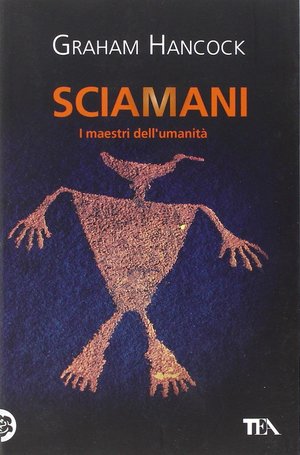
Sciamani. I maestri dell'umanità - Graham Hancock (2016). Milano: TEA, 674 p. 20 cm. In questo magnifico libro, Graham Hancock tenta
Il linguaggio segreto di Dante e dei «Fedeli d'Amore» - Luigi Valli (1928). Roma: Casa Editrice Optima L’Universale Tipografica Poliglotta,
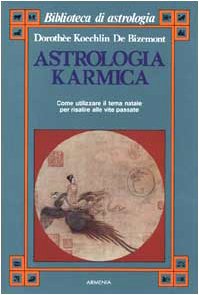
Astrologia karmica. Come utilizzare il tema natale per risalire alle vite passate - Dorothée Koechlin De Bizemont (1995). Milano: Armenia,
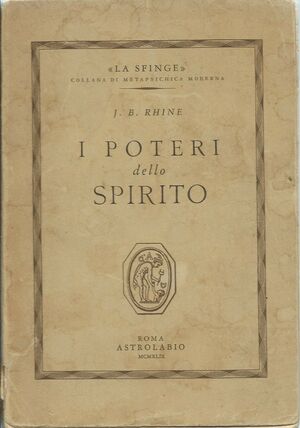
I poteri dello spirito - J. B. Rhine (1948). Roma: Astrolabio Ubaldini, 306 p. ; 19 cm. L’importanza fondamentale del
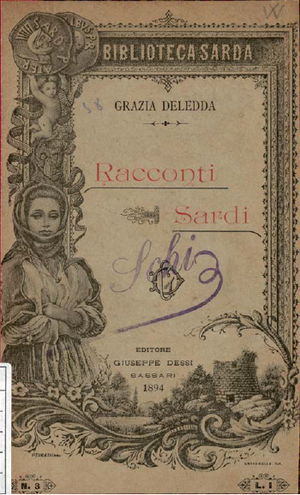
Racconti sardi - Grazia Deledda (1894). Sassari: Giuseppe Dessi, 155 p. ; 19 cm. La raccolta intitolata "Racconti sardi" venne
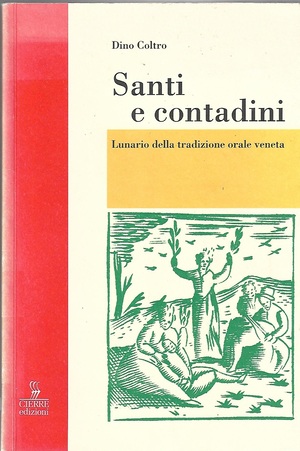
Santi e Contadini. Lunario della tradizione orale veneta - Dino Coltro (1998). Verona: Cierre Edizioni, 651 p. : ill. ;
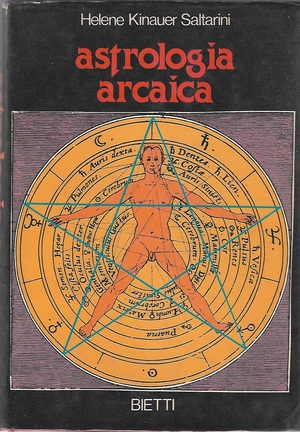
Astrologia arcaica - Helene Kinauer Saltarini (1979). Roma: Casa Editrice Bietti, 149 p. : ill. ; 25 cm L'astrologia arcaica
La tentazione dell’occulto. Scienza ed esoterismo nell’età vittoriana - Germana Pareti (1990). Torino: Bollati Boringhieri, 97 p., [4] c. di
Medicina popolare siciliana - Giuseppe Pitrè (1949). Firenze: G. Barbera, 16. p. 458 con Sette tavole. Giuseppe Pitrè, autore del
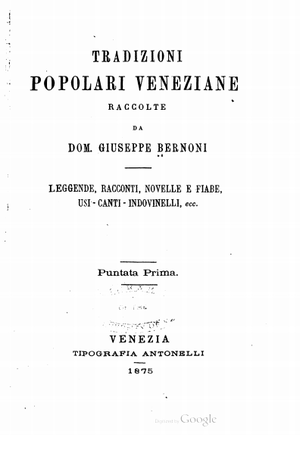
Tradizioni popolari veneziane - Domenico Giuseppe Bernoni (1875). Venezia: Tipografia Antonelli, 128 p. ; 19 cm. Una splendida e particolare
La Realtà del Mistero: Ultrafania - Gino Trespioli (1929). Milano: Società per lo studio della biopsichica, 295 p. ; 19
Il Problema della Morte e della Sopravvivenza - Francesco Ferrari (1943). Milano: Fratelli Bocca Editori, 217 p. ; 21 cm.
Miti sull’origine del fuoco - James George Frazer (1993). Pavia: Xenia Edizioni, 295 p. ; 21 cm. In questo saggio,
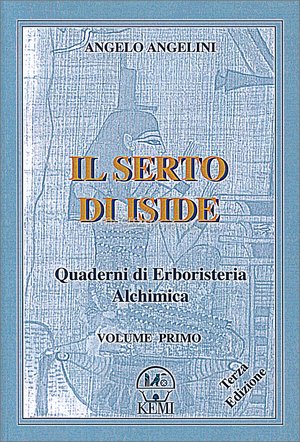
Il Serto di Iside - Vol. 1 - Angelo Angelini (1986). Milano: Kemi, 227 p. : ill. ; 23 cm.
La Suprema Legge - Ergos (1952). Roma: Mithras, 326 p., [4] c. di tav. : ill. ; 25 cm. "Che
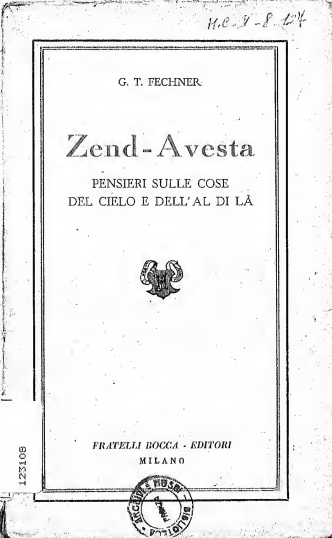
Zend-Avesta. Pensieri sulle cose del cielo e dell’al di là - Gustav Theodor Fechner (1944). Milano: Fratelli Bocca Editori, 262
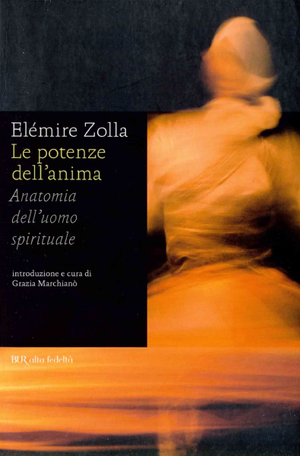
Le potenze dell’anima. Anatomia dell’uomo spirituale - Elémire Zolla (2008). Milano: BUR Biblioteca Univ. Rizzoli, 271 p. ; 20 cm.
La vita nel mondo invisibile - Anthony Borgia (1954). La conoscenza è il miglior antidoto per la paura, specialmente se
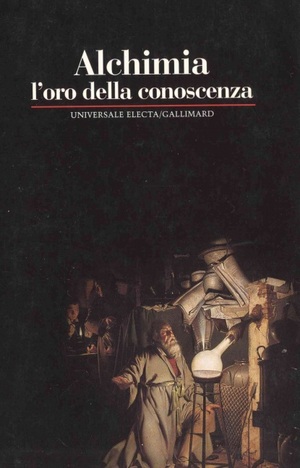
Alchimia: l’oro della conoscenza - Andrea Aromatico (1996). Torino: Electa Gallimard, 168 p. : ill. ; 18 cm. L'alchimia emerge
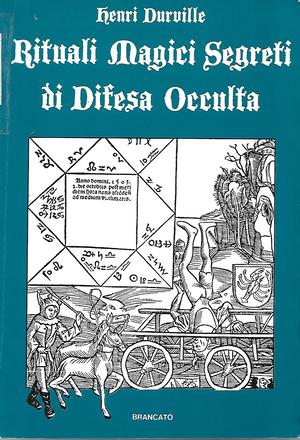
Rituali Magici Segreti di Difesa Occulta - Henri Durville (1988). Catania: Brancato Editore, 295 p. : ill. ; 24 cm.
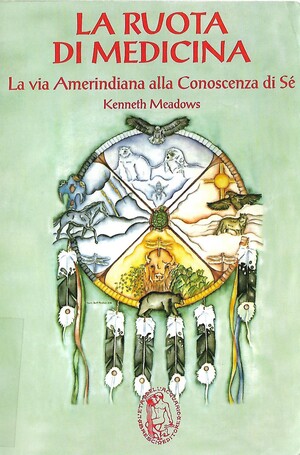
La Ruota Medicina. La via Amerindiana alla Conoscenza di Sé - Kenneth Meadows (1995). Torino: Edizioni L’Età dell’Acquario, 48 p.
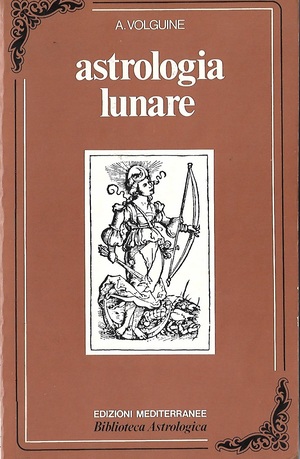
Astrologia lunare: una ricostruzione dell'antico sistema astrologico - Alexandre Volguine (1981). Roma: Edizioni Mediterranee, 160 p. : ill. ; 21
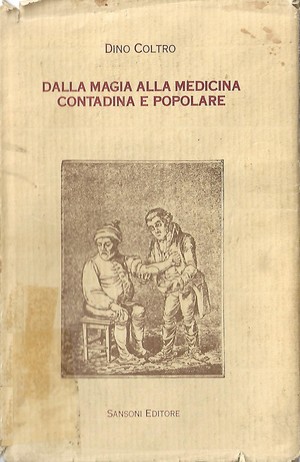
Dalla Magia alla Medicina Contadina e Popolare - Dino Coltro (1983). Firenze: Sansoni Editore, 230 p. ; 21 cm. La
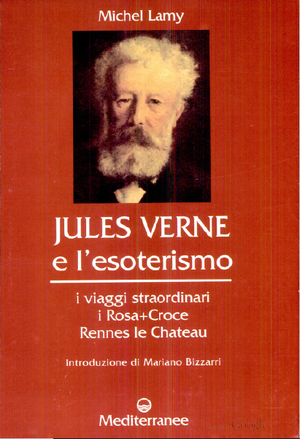
Jules Verne e l’esoterismo. I Viaggi Straordinari, i Rosacroce, Rennes-Le-Chateau - Michel Lamy (2005). Roma: Edizioni Mediterranee, 227 p. ;
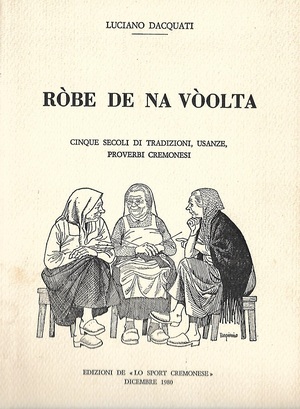
Ròbe de na vòolta - Luciano Dacquati (1980). Cremona: Edizioni de “Lo Sport Cremonese.”, 204 p., 12 c. di tav.
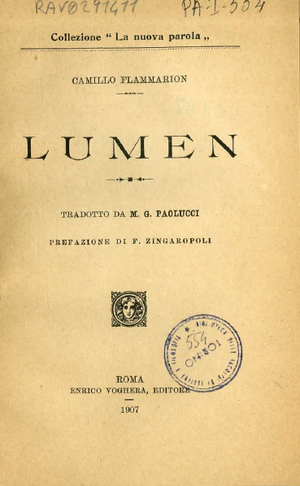
Lumen - Camille Flammarion (1907). Roma: Enrico Voghera Editore, 229 p. ; 18 cm. "Come le anime del mito di
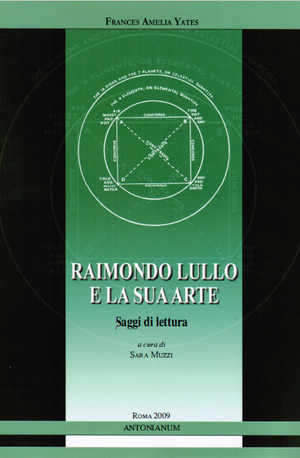
Raimondo Lullo e la sua arte. Saggi di lettura - Frances Amelia Yates (2009). Roma: Antonianum, 212 p. : ill.
RESEARCH AND PROFESSIONAL PRACTICE

From sources to organised heritage.

Bibliographical research has shaped a way of working based on comparing sources, description and building relationships between documents. Today, this method informs work in conservation, cataloguing, metadata creation and Digital Humanities.

The transition from the historic Antro to the new professional practice is therefore not a break: it transforms work on cultural memory into a service for cultural heritage.

RELATED 01

Digitisation

Image capture, metadata and organisation of digital collections.

RELATED 02

Projects

Practical experience with library, archival and documentary heritage.

RELATED 03

Services

Services for public bodies, institutions and private collections.

Are you looking for a source, a book or a pathway through documentary heritage?

Explore the complete archive or contact me to discuss a professional project.

error: Il contenuto è protetto!!!