Back

HOME · RESEARCH AND HERITAGE

Research, books and cultural memory

The historic Antro di Thoth archive: bibliographical research, essays, books and explorations of sources, traditions and documentary heritage. English translations are available for selected content.

Research as a form of conservation: finding, describing, connecting and transmitting knowledge.

609

research posts published

46

Book of the Week entries

45

in-depth articles

THE ANTRO ARCHIVE

A body of research that continues to live.

Over the years, L’Antro di Thoth has gathered hundreds of contributions devoted to books, the history of religions, folklore, symbolism, traditions and cultural sources. The site’s new professional identity does not erase this work: it places it within a distinct space explicitly dedicated to history and research.

This page therefore provides an organised gateway to the complete archive, preserving the original Italian content while making it easier to explore.

THREE ROUTES THROUGH THE ARCHIVE

All content, organised by purpose

01

Sources and Research Paths

609 entries

Books, documents and testimonies for understanding, interpreting and enhancing cultural heritage.

02

Book of the Week

46 entries

Reading pathways and presentations of works connected with the themes of the archive.

03

Articles

45 in-depth articles

Longer essays, thematic research and historical-cultural studies.

LATEST BIBLIOGRAPHICAL RESEARCH

New additions to the archive

The most recent publications in the collection. This list updates automatically and shows English versions where available.

Il primo volto degli dèi totem, miti e cielo arcaico Articles

The Gods’ First Face: Totems, Myths, and the Ancient Sky

The Gods’ First Face: Totems, Myths, and the Ancient Sky by Hasan Andrea Abou Saida Before they were statues, deities, and later saints whose names...
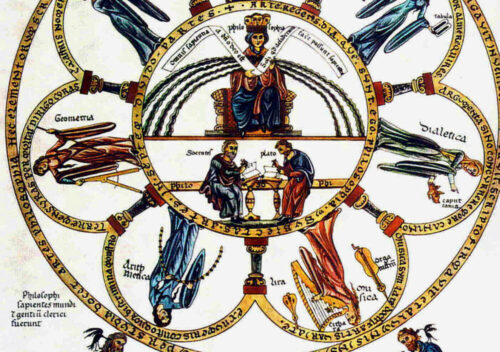
Septem-artes-liberales_Herrad-von-Landsberg_Hortus-deliciarum_1180 Articles

From the Trivium to the Quadrivium: The Seven Liberal Arts as Keys to Medieval Magic

From the Trivium to the Quadrivium: The Seven Liberal Arts as Keys to Medieval Magic by Hasan Andrea Abou Saida In the heart of medieval...
beauty-and-beast-in-saloon Articles

The Inner Beast: Archetypal Symbols and Rites of Passage in Beauty and the Beast

The Inner Beast: Archetypal Symbols and Rites of Passage in Beauty and the Beast by Hasan Andrea Abou Saida he fairy tale of Beauty and the...
ChatGPT Image 13 ago 2025, 17_12_25 Articles

Perfumes and Astrology: The Zodiac Scents of the Natal Chart

Perfumes and Astrology: The Zodiac Scents of the Natal Chart The creation of a perfume is not merely a sensory process; it can become a...
campi-elisi3 Articles

Reincarnation, Ancestrality, and Initiations: The Vision of the Soul in Ancient Rome

Reincarnation, Ancestrality, and Initiations: The Vision of the Soul in Ancient Rome by Hasan Andrea Abou Saida Reincarnation is an ancient belief found in numerous...
Egyptian Art at The Metropolitan - "This large head unmistakably depicts the god known as Bes, or, more accurately, what is known as a "Bes-image," since Bes's appearance was sometimes adopted for other gods, and there is no name preserved on the statue. From the Kushite Period onward, images of Bes appeared on architectural support elements such as abaci, column shafts, or, rarely, large two-sided pillars. These architectural images are especially associated with mammisis, or temples celebrating the birth of a child-god; it is thought that this is related to the long association of the deity with domestic concerns and fertility. Such Bes figures are typically frontal and carved in high relief, but the depth of this figure against an abacus or shaft surface, if that is actually its origin, would have been quite unusual.  Another possibility is that the head originally belonged to a freestanding statue. A 1-meter-tall statue of Bes was found in a chapel at the Serapeum in Saqqara along with sphinxes dated to the reign of Nectanebo II. If this head comes from such a statue, the identity of the god represented by the Bes-image might not be the domestic god Bes but a number of the other gods-especially, but not exclusively, gods associated with Horus-who adopted the deity's appearance.  This head is said to have come from the site of Bubastis in the Egyptian Delta. Work at this important but much-damaged site has produced mostly hard-stone elements, but some fragments of limestone from wall decorations have also been found there. The limestone from Bubastis is visually quite similar to the stone of this head, so it could be that the statue does indeed originate there. If so, a date to the reign of Nectanebo II, who built extensively at Bubastis and whose name is attested among its limestone remains, would be a reasonable suggestion. Moreover, although there is considerable continuity in the representation of the disquieting features associated with the Bes-image in the Articles

Bes: The Egyptian God, Protector of the Hearth and Joy

Bes: The Egyptian God, Protector of the Hearth and Joy by Hasan Andrea Abou Saida In the ancient Egyptian pantheon, characterized by majestic and imposing...
Nefertem Articles

Nefertum: The God of the Lotus, Rebirth, and Perfumes

Nefertum: The God of the Lotus, Rebirth, and Perfumes by Hasan Andrea Abou Saida Nefertum, though less well-known than deities such as Ra or Osiris,...
acque-20 Articles

Mephitis: Italic Guardian of the Passages Between Life and the Otherworld

Mephitis: Italic Guardian of the Passages Between Life and the Otherworld by Hasan Andrea Abou Saida Mephitis (also spelled Mefitis, Mephite, or Mefite) is an...
95158fb614478c6c70d86d5e949316a4 Articles

From archaic roots to folk tradition: an analysis of “Jack and the Beanstalk”

From archaic roots to folk tradition: an analysis of “Jack and the Beanstalk” by Hasan Andrea Abou Saida Fairy tales are much more than simple...
Flockenhaus-Froschkonig Articles

The Frog Prince: a journey of inner transformation and lunar symbolism

The Frog Prince: a journey of inner transformation and lunar symbolism by Hasan Andrea Abou Saida The tale of the Frog Prince is one of...
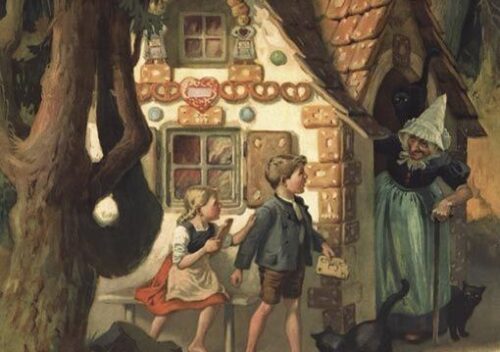
Hansel_and_Gretel_Kubel Articles

From Abandonment to Rebirth: the initiatory path of Hansel and Gretel

From Abandonment to Rebirth: the initiatory path of Hansel and Gretel by Hasan Andrea Abou Saida Hansel and Gretel is a fairy tale from the German...
521px-Offterdinger_Aschenbrodel_(1) Articles

From the Hazelnut to the Slipper: the esoteric symbolism of Cinderella

From the Hazelnut to the Slipper: the esoteric symbolism of Cinderella by Hasan Andrea Abou Saida The story of Cinderella is one of the oldest...
BOOK OF THE WEEK

Books to rediscover

The latest entries devoted to works, editions and reading pathways, with English versions shown where available.

Il primo volto degli dèi totem, miti e cielo arcaico Articles

The Gods’ First Face: Totems, Myths, and the Ancient Sky

The Gods’ First Face: Totems, Myths, and the Ancient Sky by Hasan Andrea Abou Saida Before they were statues, deities, and later saints whose names...
Septem-artes-liberales_Herrad-von-Landsberg_Hortus-deliciarum_1180 Articles

From the Trivium to the Quadrivium: The Seven Liberal Arts as Keys to Medieval Magic

From the Trivium to the Quadrivium: The Seven Liberal Arts as Keys to Medieval Magic by Hasan Andrea Abou Saida In the heart of medieval...
beauty-and-beast-in-saloon Articles

The Inner Beast: Archetypal Symbols and Rites of Passage in Beauty and the Beast

The Inner Beast: Archetypal Symbols and Rites of Passage in Beauty and the Beast by Hasan Andrea Abou Saida he fairy tale of Beauty and the...
ChatGPT Image 13 ago 2025, 17_12_25 Articles

Perfumes and Astrology: The Zodiac Scents of the Natal Chart

Perfumes and Astrology: The Zodiac Scents of the Natal Chart The creation of a perfume is not merely a sensory process; it can become a...
campi-elisi3 Articles

Reincarnation, Ancestrality, and Initiations: The Vision of the Soul in Ancient Rome

Reincarnation, Ancestrality, and Initiations: The Vision of the Soul in Ancient Rome by Hasan Andrea Abou Saida Reincarnation is an ancient belief found in numerous...
Egyptian Art at The Metropolitan - "This large head unmistakably depicts the god known as Bes, or, more accurately, what is known as a "Bes-image," since Bes's appearance was sometimes adopted for other gods, and there is no name preserved on the statue. From the Kushite Period onward, images of Bes appeared on architectural support elements such as abaci, column shafts, or, rarely, large two-sided pillars. These architectural images are especially associated with mammisis, or temples celebrating the birth of a child-god; it is thought that this is related to the long association of the deity with domestic concerns and fertility. Such Bes figures are typically frontal and carved in high relief, but the depth of this figure against an abacus or shaft surface, if that is actually its origin, would have been quite unusual.  Another possibility is that the head originally belonged to a freestanding statue. A 1-meter-tall statue of Bes was found in a chapel at the Serapeum in Saqqara along with sphinxes dated to the reign of Nectanebo II. If this head comes from such a statue, the identity of the god represented by the Bes-image might not be the domestic god Bes but a number of the other gods-especially, but not exclusively, gods associated with Horus-who adopted the deity's appearance.  This head is said to have come from the site of Bubastis in the Egyptian Delta. Work at this important but much-damaged site has produced mostly hard-stone elements, but some fragments of limestone from wall decorations have also been found there. The limestone from Bubastis is visually quite similar to the stone of this head, so it could be that the statue does indeed originate there. If so, a date to the reign of Nectanebo II, who built extensively at Bubastis and whose name is attested among its limestone remains, would be a reasonable suggestion. Moreover, although there is considerable continuity in the representation of the disquieting features associated with the Bes-image in the Articles

Bes: The Egyptian God, Protector of the Hearth and Joy

Bes: The Egyptian God, Protector of the Hearth and Joy by Hasan Andrea Abou Saida In the ancient Egyptian pantheon, characterized by majestic and imposing...
Nefertem Articles

Nefertum: The God of the Lotus, Rebirth, and Perfumes

Nefertum: The God of the Lotus, Rebirth, and Perfumes by Hasan Andrea Abou Saida Nefertum, though less well-known than deities such as Ra or Osiris,...
acque-20 Articles

Mephitis: Italic Guardian of the Passages Between Life and the Otherworld

Mephitis: Italic Guardian of the Passages Between Life and the Otherworld by Hasan Andrea Abou Saida Mephitis (also spelled Mefitis, Mephite, or Mefite) is an...
95158fb614478c6c70d86d5e949316a4 Articles

From archaic roots to folk tradition: an analysis of “Jack and the Beanstalk”

From archaic roots to folk tradition: an analysis of “Jack and the Beanstalk” by Hasan Andrea Abou Saida Fairy tales are much more than simple...
ARTICLES

In-depth articles and thematic pathways

The most recent contributions from the Antro’s editorial section, with English versions shown where available.

Il primo volto degli dèi totem, miti e cielo arcaico Articles

The Gods’ First Face: Totems, Myths, and the Ancient Sky

The Gods’ First Face: Totems, Myths, and the Ancient Sky by Hasan Andrea Abou Saida Before they were statues, deities, and later saints whose names...
Septem-artes-liberales_Herrad-von-Landsberg_Hortus-deliciarum_1180 Articles

From the Trivium to the Quadrivium: The Seven Liberal Arts as Keys to Medieval Magic

From the Trivium to the Quadrivium: The Seven Liberal Arts as Keys to Medieval Magic by Hasan Andrea Abou Saida In the heart of medieval...
beauty-and-beast-in-saloon Articles

The Inner Beast: Archetypal Symbols and Rites of Passage in Beauty and the Beast

The Inner Beast: Archetypal Symbols and Rites of Passage in Beauty and the Beast by Hasan Andrea Abou Saida he fairy tale of Beauty and the...
ChatGPT Image 13 ago 2025, 17_12_25 Articles

Perfumes and Astrology: The Zodiac Scents of the Natal Chart

Perfumes and Astrology: The Zodiac Scents of the Natal Chart The creation of a perfume is not merely a sensory process; it can become a...
campi-elisi3 Articles

Reincarnation, Ancestrality, and Initiations: The Vision of the Soul in Ancient Rome

Reincarnation, Ancestrality, and Initiations: The Vision of the Soul in Ancient Rome by Hasan Andrea Abou Saida Reincarnation is an ancient belief found in numerous...
Egyptian Art at The Metropolitan - "This large head unmistakably depicts the god known as Bes, or, more accurately, what is known as a "Bes-image," since Bes's appearance was sometimes adopted for other gods, and there is no name preserved on the statue. From the Kushite Period onward, images of Bes appeared on architectural support elements such as abaci, column shafts, or, rarely, large two-sided pillars. These architectural images are especially associated with mammisis, or temples celebrating the birth of a child-god; it is thought that this is related to the long association of the deity with domestic concerns and fertility. Such Bes figures are typically frontal and carved in high relief, but the depth of this figure against an abacus or shaft surface, if that is actually its origin, would have been quite unusual.  Another possibility is that the head originally belonged to a freestanding statue. A 1-meter-tall statue of Bes was found in a chapel at the Serapeum in Saqqara along with sphinxes dated to the reign of Nectanebo II. If this head comes from such a statue, the identity of the god represented by the Bes-image might not be the domestic god Bes but a number of the other gods-especially, but not exclusively, gods associated with Horus-who adopted the deity's appearance.  This head is said to have come from the site of Bubastis in the Egyptian Delta. Work at this important but much-damaged site has produced mostly hard-stone elements, but some fragments of limestone from wall decorations have also been found there. The limestone from Bubastis is visually quite similar to the stone of this head, so it could be that the statue does indeed originate there. If so, a date to the reign of Nectanebo II, who built extensively at Bubastis and whose name is attested among its limestone remains, would be a reasonable suggestion. Moreover, although there is considerable continuity in the representation of the disquieting features associated with the Bes-image in the Articles

Bes: The Egyptian God, Protector of the Hearth and Joy

Bes: The Egyptian God, Protector of the Hearth and Joy by Hasan Andrea Abou Saida In the ancient Egyptian pantheon, characterized by majestic and imposing...
Nefertem Articles

Nefertum: The God of the Lotus, Rebirth, and Perfumes

Nefertum: The God of the Lotus, Rebirth, and Perfumes by Hasan Andrea Abou Saida Nefertum, though less well-known than deities such as Ra or Osiris,...
acque-20 Articles

Mephitis: Italic Guardian of the Passages Between Life and the Otherworld

Mephitis: Italic Guardian of the Passages Between Life and the Otherworld by Hasan Andrea Abou Saida Mephitis (also spelled Mefitis, Mephite, or Mefite) is an...
95158fb614478c6c70d86d5e949316a4 Articles

From archaic roots to folk tradition: an analysis of “Jack and the Beanstalk”

From archaic roots to folk tradition: an analysis of “Jack and the Beanstalk” by Hasan Andrea Abou Saida Fairy tales are much more than simple...
THE ANTRO LIBRARY

The historic book collection

A selection of books and bibliographical materials that formed the original core of the project. The grid below reuses the dynamic archive from the historic Library.

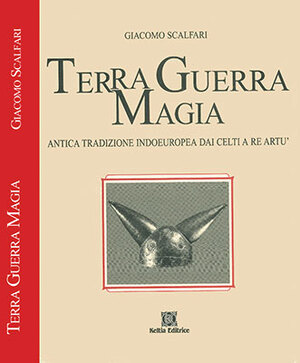
Terra guerra magia: antica tradizione indoeuropea dai Celti a Re Artù - Giacomo Scalfari (2003). Aosta: Keltia, 237 p. :
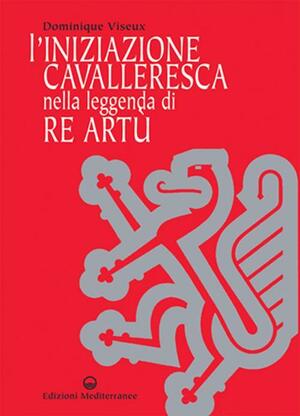
L' iniziazione cavalleresca nella leggenda di Re Artù - Dominique Viseux; traduzione di Barbara Pavarotti (1980). Roma: Edizioni Mediterranee, 203
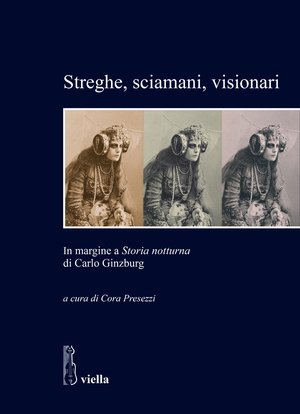
Streghe, sciamani, visionari: in margine a Storia notturna di Carlo Ginzburg - a cura di Cora Presezzi (2019). Roma: Viella,
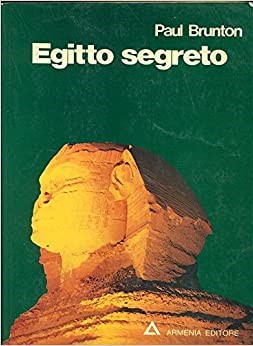
Egitto segreto - Paul Brunton (1975). Milano: Armenia, 245 p. ; 21 cm. Dopo aver vissuto esperienze fondamentali nell'India dei
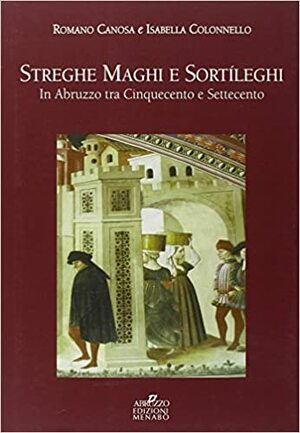
Streghe, maghi e sortíleghi in Abruzzo tra Cinquecento e Settecento - Romano Canosa e Isabella Colonnello (2002). Ortona: Menabò, 175
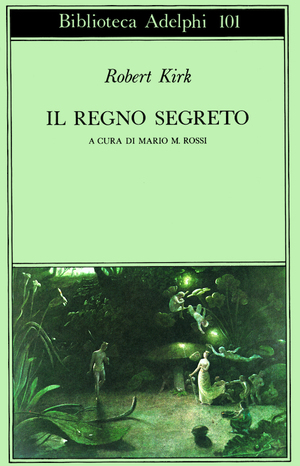
Il regno segreto - Robert Kirk (1980). Milano: Adelphi Edizioni, 289 p. ; 22 cm. Un oscuro ministro presbiteriano scozzese,
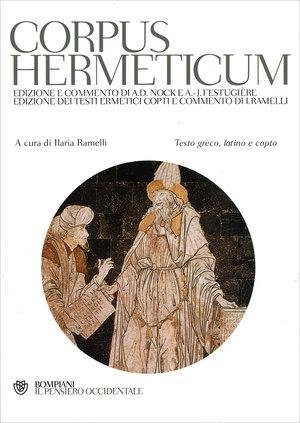
Corpus Hermeticum - edizione e commento di A. D. Nock e A.-J. Festugière; edizione dei testi ermetici copti e commento
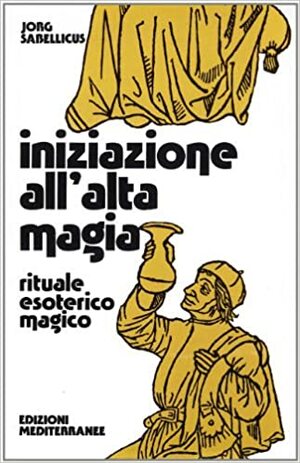
Iniziazione all'alta magia: rituale esoterico-magico - Jorg Sabellicus (1977). Roma: Edizioni Mediterranee, 89 p. : ill. ; 22 cm .
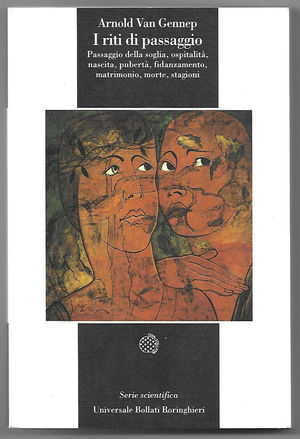
I riti di passaggio - Arnold Van Gennep (1999). Torino: Bollati Boringhieri, 216 p. ; 20 cm. Pubblicata nel 1909,
Maura, l' indovina di Orotelli: Streghe nella Sardegna del '700 - Alessandra Derriu (2018). Alghero: Nemapress, 61 p. ; 18
Il sangue del condor: sciamani delle Ande - Mario Polia (1997). Milano: Xenia, 281 p. : ill. ; 21 cm.
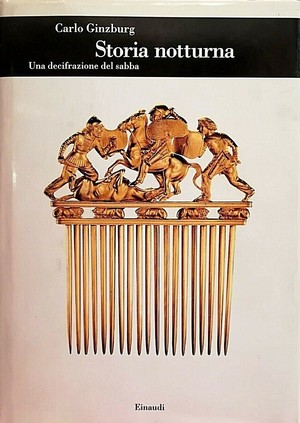
Storia notturna: una decifrazione del sabba - Carlo Ginzburg (1989). Torino: Einaudi, 319 p., [16] p. di tav. : ill.
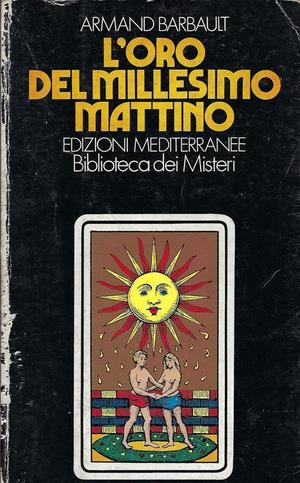
L' oro del millesimo mattino - Armand Barbault (1972). Roma: Edizioni Mediterranee, 174 p. : ill. ; 22 cm. La
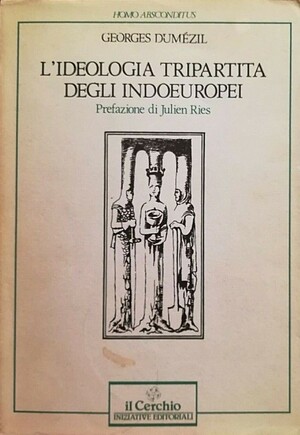
L'ideologia tripartita degli Indoeuropei - Georges Dumézil; prefazione di Julien Ries (1988). Rimini: Il Cerchio, 155 p. ; 22 cm.
Fate e spiriti d'Irlanda - Henry Glassie (2002). Roma: Franco Muzzio, 293 p. ; 22 cm. La tradizione favolistica irlandese
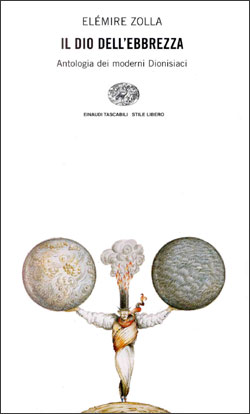
Il dio dell'ebbrezza: antologia dei moderni dionisiaci - Elémire Zolla (1998). Torino: Einaudi, 426 p. ; 18 cm. E’ possibile
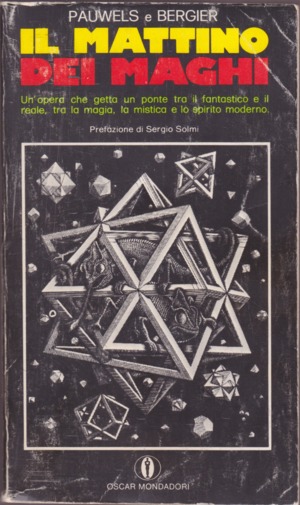
Il mattino dei maghi: introduzione al realismo fantastico - Louis Pauwels e Jacques Bergier; prefazione di Sergio Solmi; traduzione di
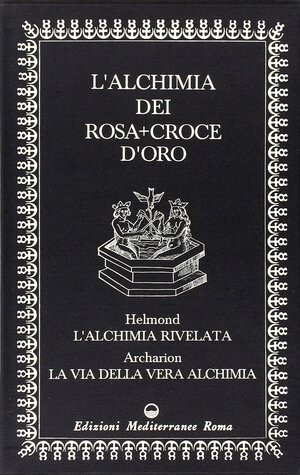
L' alchimia dei Rosa-Croce d'oro: La via della vera alchimia-L'alchimia rivelata. Ediz. numerata (1994). Roma: Edizioni Mediterranee, 2 volumi; 22
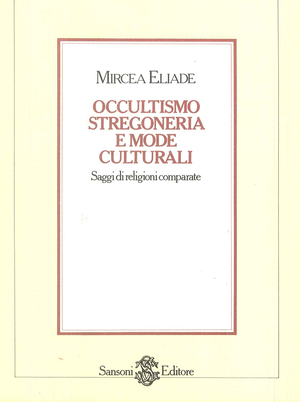
Occultismo, stregoneria e mode culturali: saggi di religioni comparate - Mircea Eliade (1982). Firenze: Sansoni Editore, 144 p. ; 21
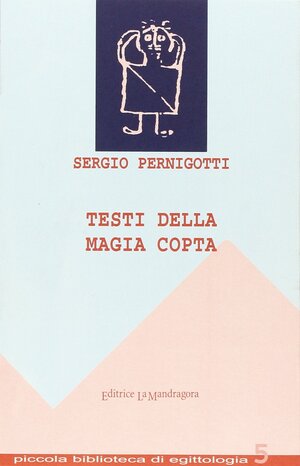
Testi della magia copta - Sergio Pernigotti (2000). Imola: La mandragora, 92 p. ; 21 cm. Il volume presenta una
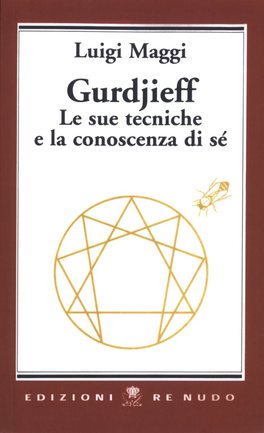
Gurdjeff: le sue tecniche e la conoscenza di sé - Luigi Maggi (1981). Milano: Fiore d’oro, 125 p. ; 20
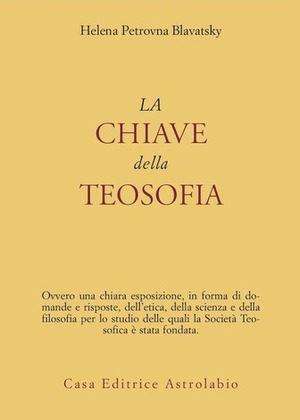
La chiave della teosofia, ovvero Una chiara esposizione, in forma di domande e risposte dell'etica, della scienza e della filosofia
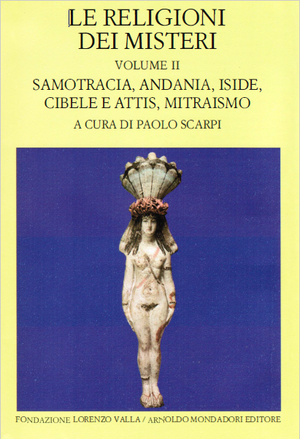
Le religioni dei misteri. Vol. 2: Samotracia, Andania, Iside, Cibele e Attis, Mitraismo - a cura di Paolo Scarpi; con
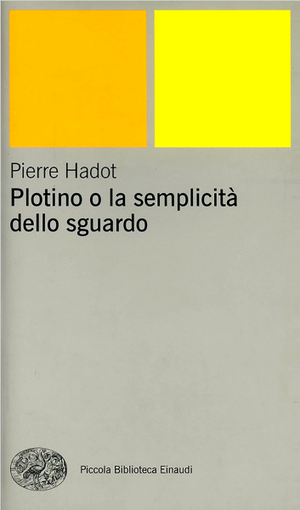
Plotino, o La semplicità dello sguardo - Pierre Hadot (1999). Torino: Einaudi, 132 p. ; 20 cm. Plotino tende a
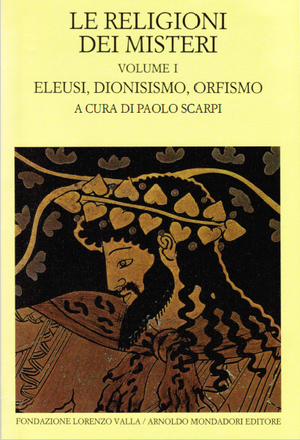
Le religioni dei misteri. Vol. 1: Eleusi, dionisismo, orfismo - a cura di Paolo Scarpi (2007). Milano: Fondazione Lorenzo Valla,
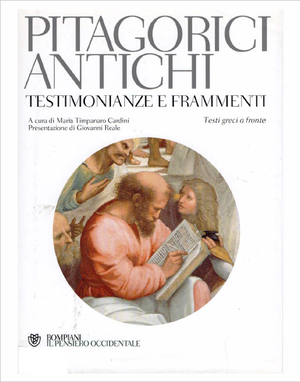
Pitagorici antichi: testimonianze e frammenti - a cura di Maria Timpanaro Cardini (2010). Milano: Bompiani Il pensiero occidentale, 1178 p.
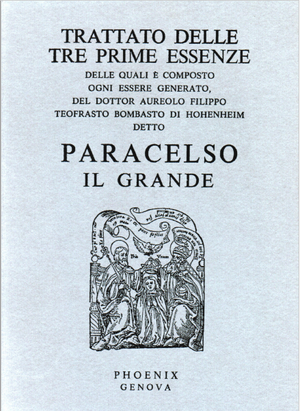
Trattato delle tre prime essenze delle quali è composto ogni essere generato - Paracelso (1986). Genova: Phoenix, 43 p. ;
Il velo di Iside: storia dell'idea di natura - Pierre Hadot (2006). Torino: Einaudi, 332 p. : ill. ; 21
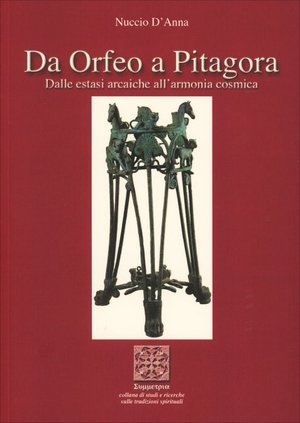
Da Orfeo a Pitagora: dalle estasi arcaiche all'armonia cosmica - Nuccio D'Anna (2010). Roma: Simmetria, 236 p., [3] carte di
Ermetismo e mistica pagana - André-Jean Festugière (1991). Genova: Il melangolo, 379 p., 11 p. di tav. : ill. ;
RESEARCH AND PROFESSIONAL PRACTICE

From sources to organised heritage.

Bibliographical research has shaped a way of working based on comparing sources, description and building relationships between documents. Today, this method informs work in conservation, cataloguing, metadata creation and Digital Humanities.

The transition from the historic Antro to the new professional practice is therefore not a break: it transforms work on cultural memory into a service for cultural heritage.

RELATED 01

Digitisation

Image capture, metadata and organisation of digital collections.

RELATED 02

Projects

Practical experience with library, archival and documentary heritage.

RELATED 03

Services

Services for public bodies, institutions and private collections.

Are you looking for a source, a book or a pathway through documentary heritage?

Explore the complete archive or contact me to discuss a professional project.

error: Il contenuto è protetto!!!